
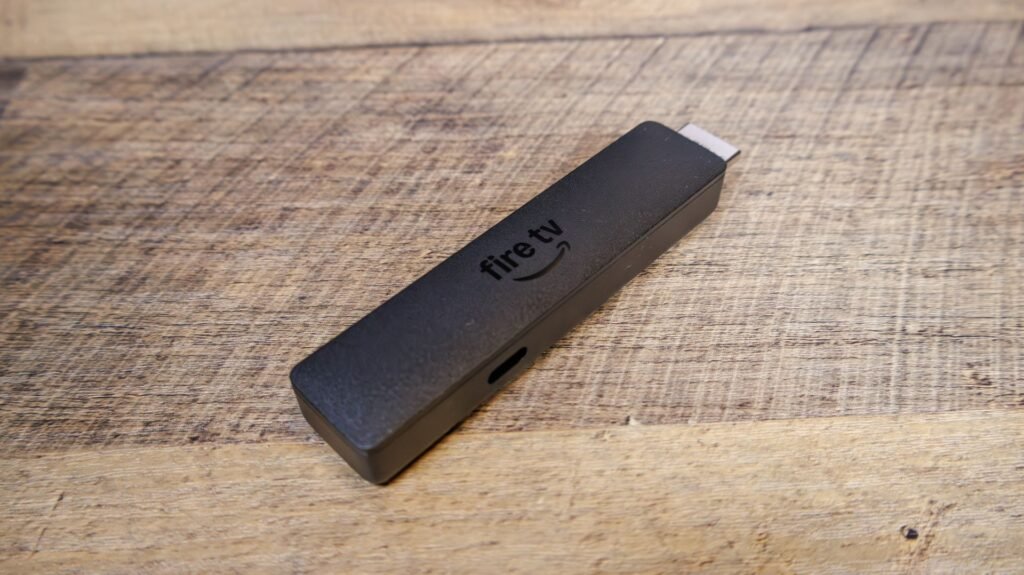
Breathing new life into older high-definition televisions is the goal of the Amazon Fire TV Stick HD, released on April 29, 2026, for $34.99. Serving as Amazon’s most affordable streaming option, this hardware replaces the previous 2024 model while maintaining the same retail price. It sits below the Fire TV Stick 4K and Fire TV Stick 4K Max in the company’s product lineup.
A major shift inside the hardware is the transition to Vega OS, a Linux-based platform that replaces the older Android-derived Fire OS. Amazon claims this new software runs over 30 percent faster, accompanied by a slimmer chassis, Wi-Fi 6 compatibility, USB power functionality, and complimentary access to Alexa+. However, the device caps video output at 1080p resolution with support for HDR10, HDR10+, and HLG, while omitting Dolby Vision and the ability to sideload third-party applications.
Design and Hardware Features
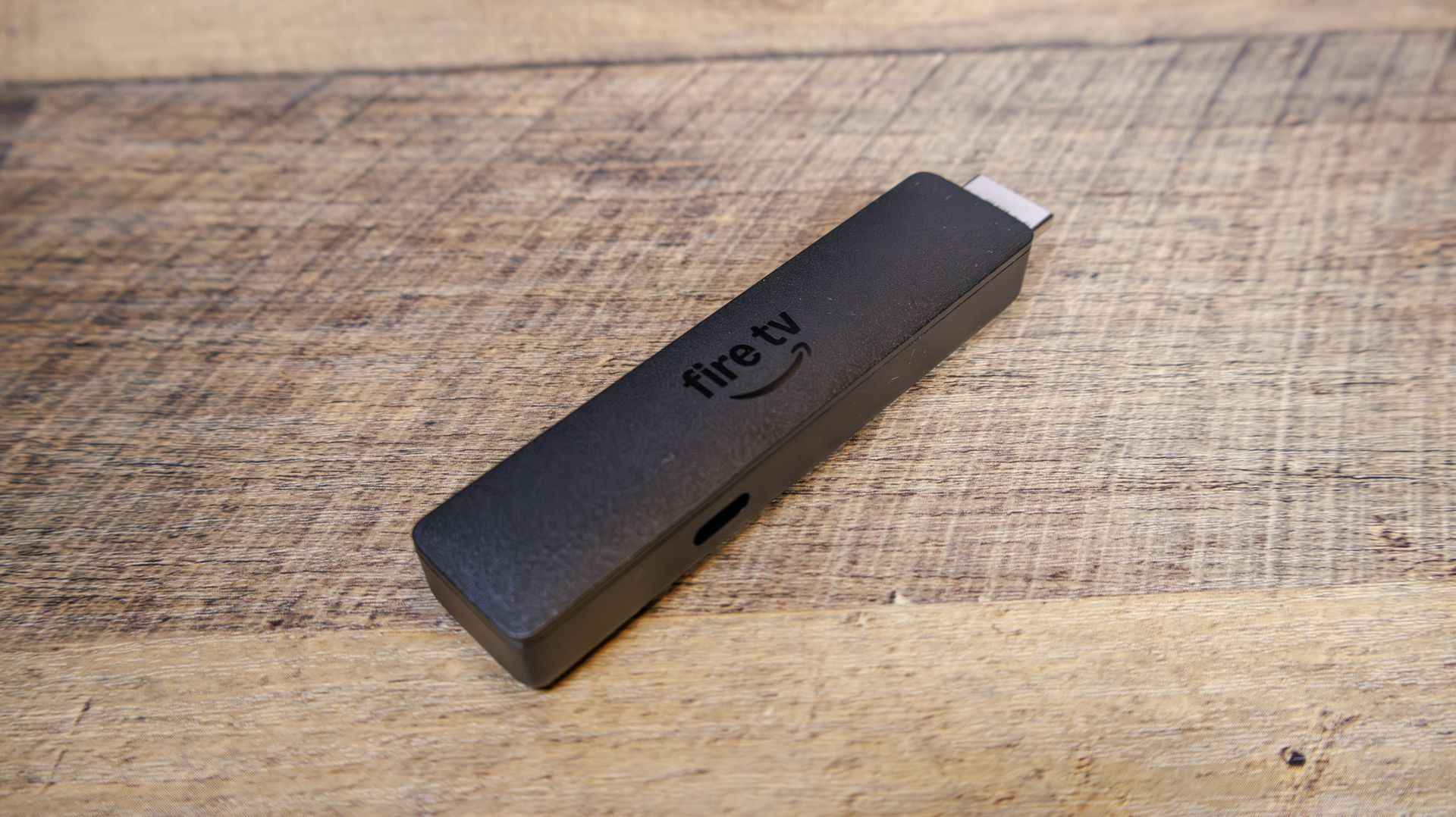
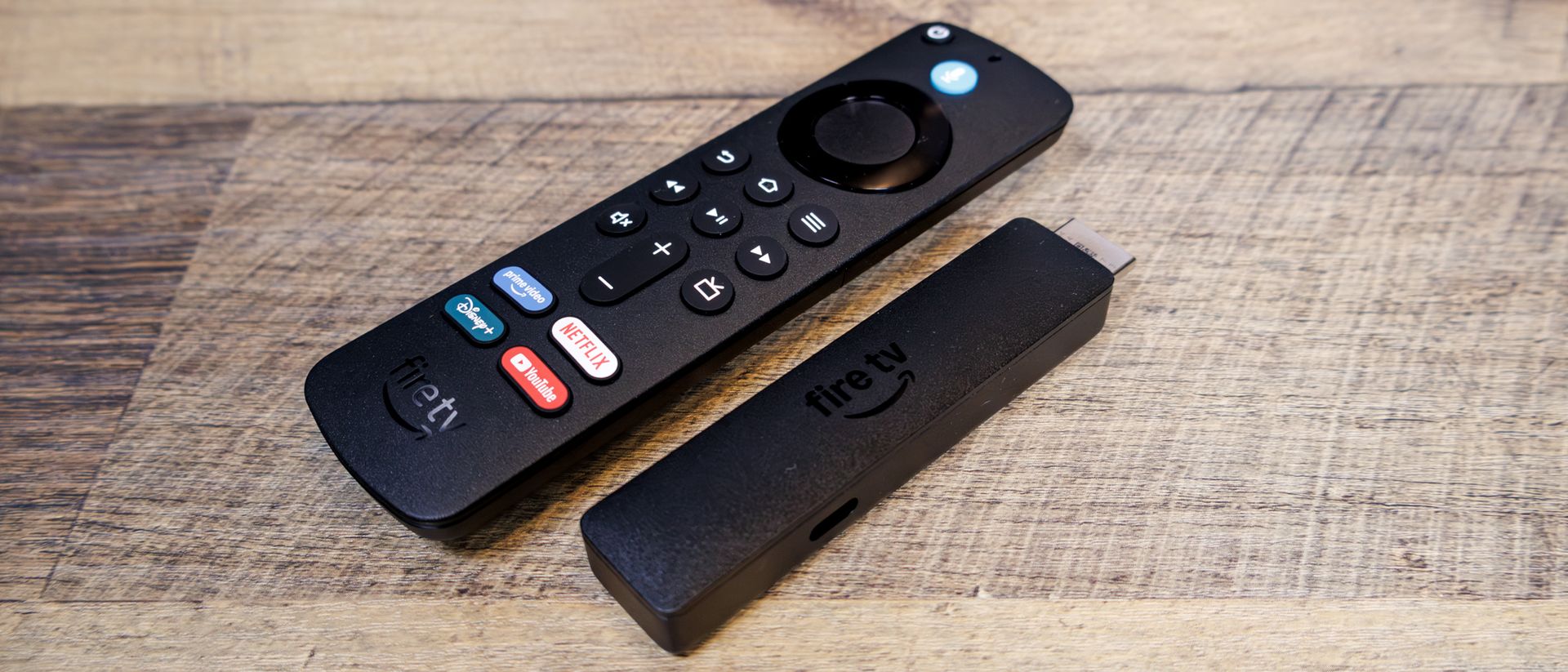
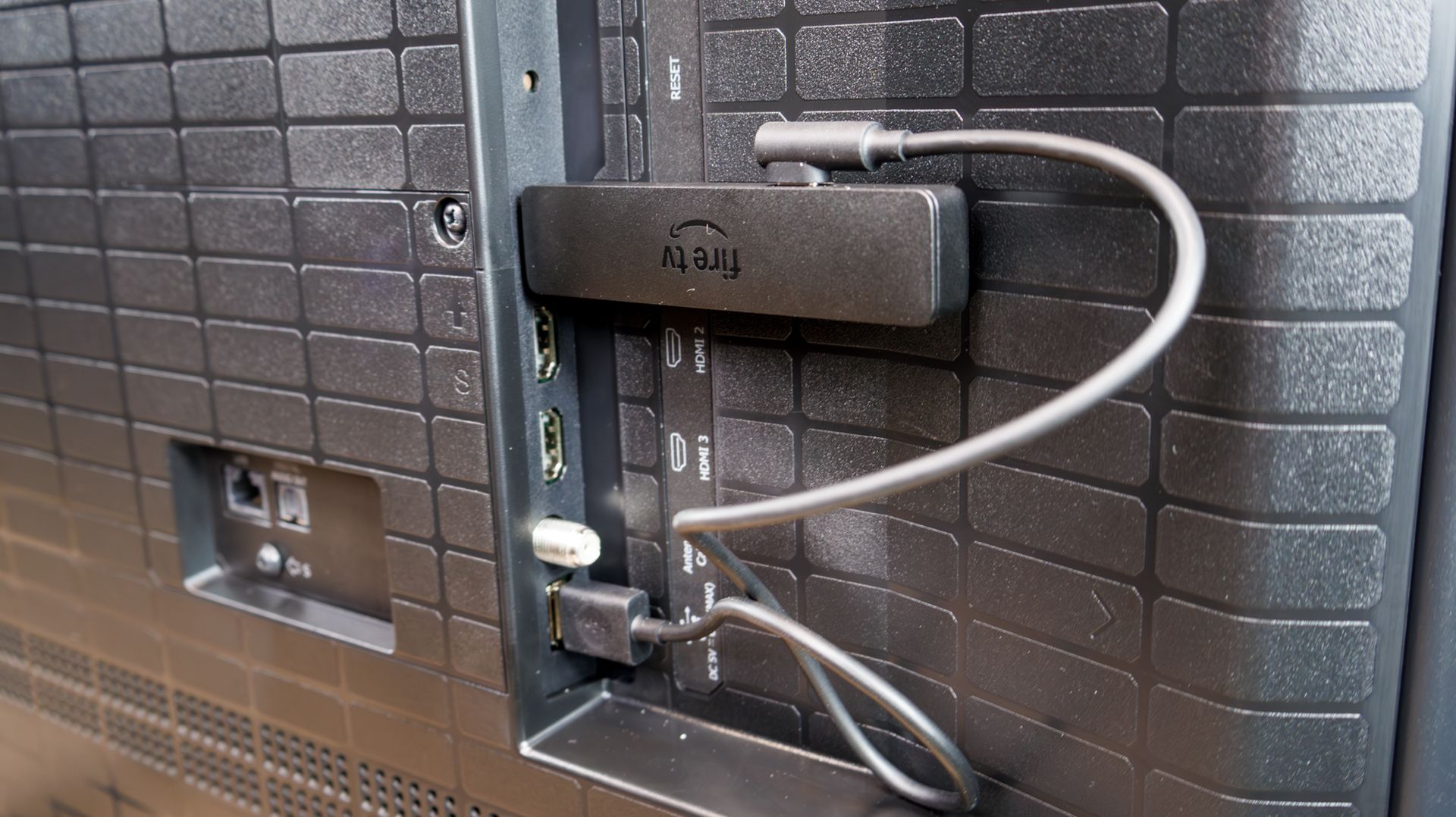
Designed to minimize clutter behind a display, the streaming device features a minimal, ultra-slim profile. It includes a USB-C port for power and utilizes a Direct Power capability, allowing users to draw power directly from a television’s USB port using the bundled cable, thereby eliminating the need for an extra wall adapter if the display has a compatible port.
The package includes an Alexa Voice Remote that handles standard functions like menu navigation, voice searches, volume adjustments, and TV power. While it lacks advanced additions like backlit buttons or a remote finder, it covers the essentials for everyday media consumption.
Setup and Interface Performance
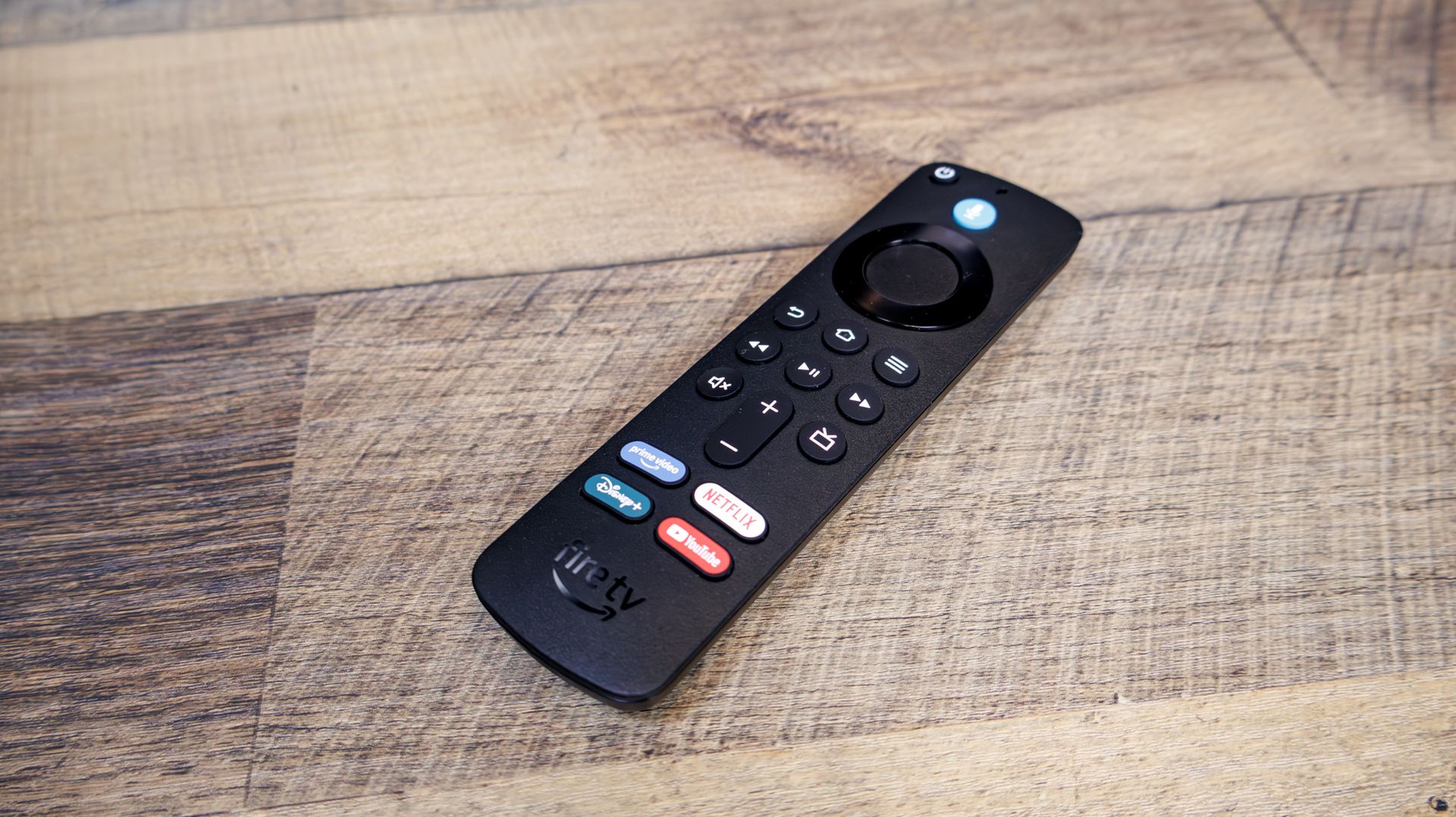
Getting started involves plugging the hardware directly into an HDMI slot and connecting the power cable to a USB port, followed by on-screen prompts to establish a Wi-Fi connection and log into an Amazon profile. Because Vega OS restricts software installations exclusively to the official Amazon app store, major platforms like Netflix, YouTube, Disney+, Hulu, and Prime Video operate natively, though less common apps may be absent due to the removal of third-party sideloading.
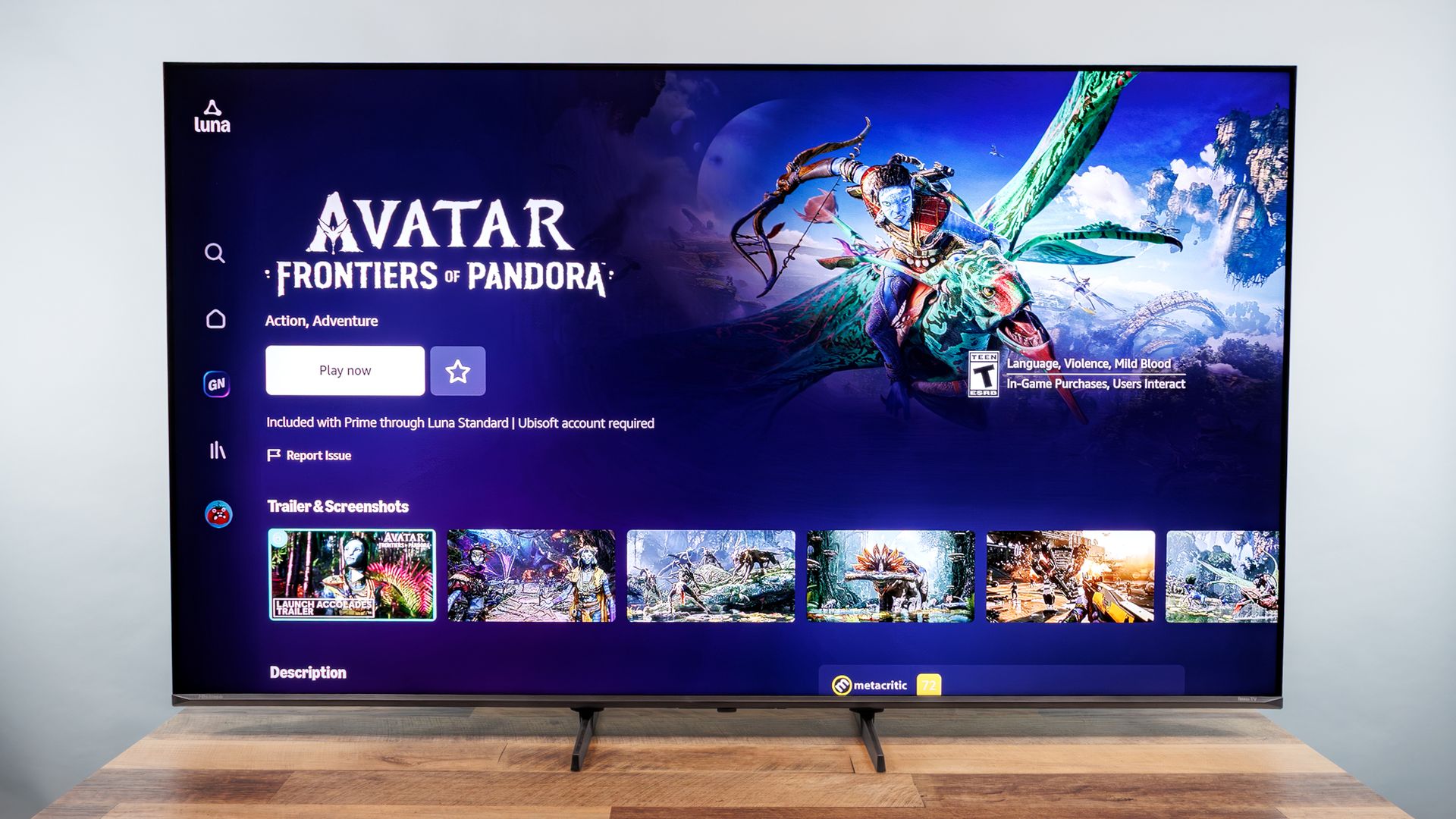
Equipped with a quad-core 1.7GHz processor and 8GB of storage, the device navigates menus and transitions between applications swiftly. Beyond standard video playback up to 1080p with Dolby Atmos pass-through, users can pair Bluetooth game controllers for cloud gaming through Xbox Game Pass or Amazon Luna, or connect headphones for private listening sessions.
Verdict and Market Alternatives
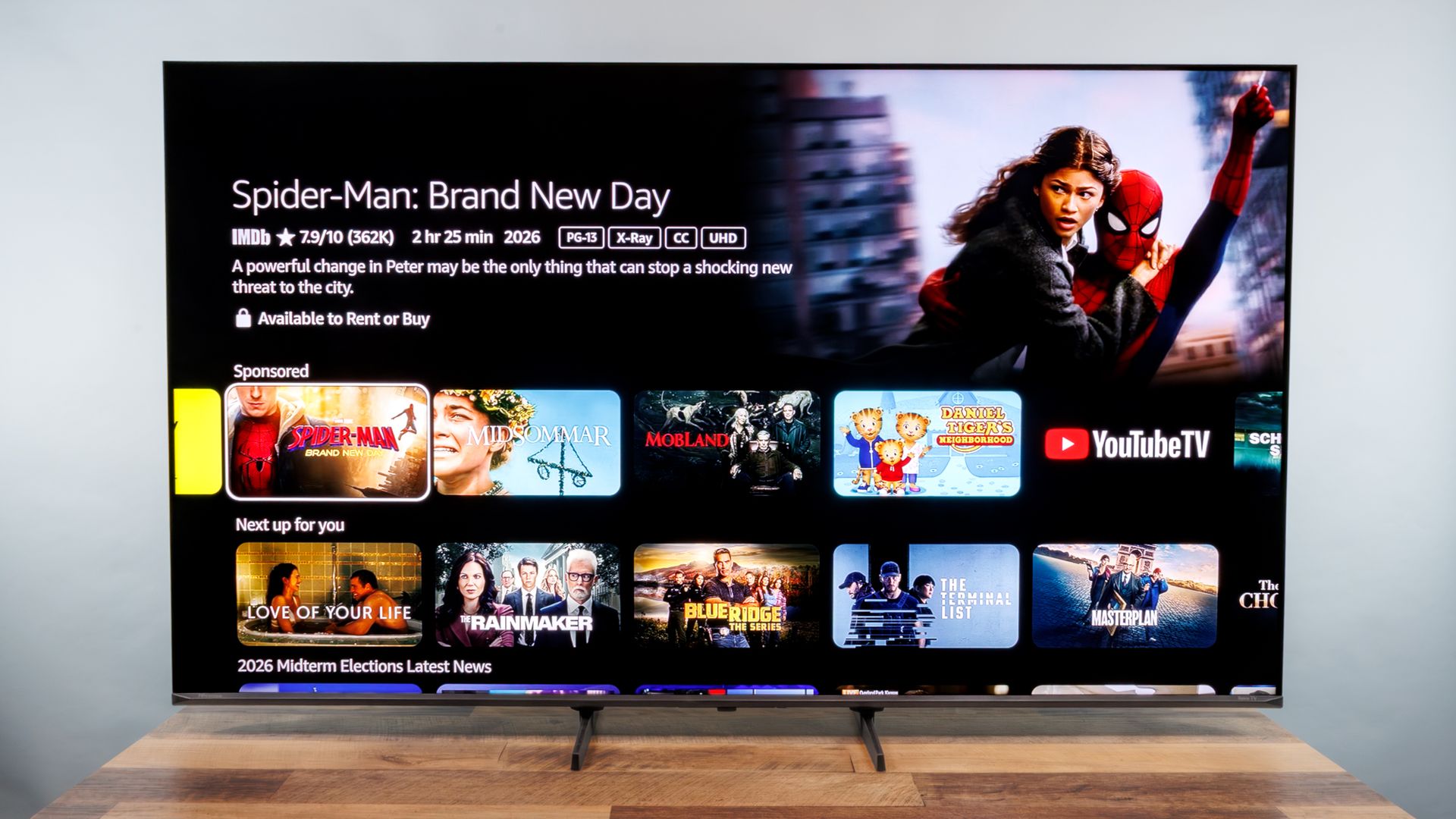
For secondary spaces, guest rooms, or older displays, the Amazon Fire TV Stick HD offers a fast and inexpensive upgrade, though heavy reliance on sponsored content on the home screen remains a noticeable characteristic of the interface. For comparison, the base Roku Streaming Stick retails for $39 with a 1080p cap and a cleaner interface, whereas Amazon’s own Fire TV Stick 4K costs an additional $25 to secure 4K output and an upgraded remote. Meanwhile, users specifically seeking third-party app sideloading can find that capability retained exclusively on the Android-powered Fire TV Stick 4K Max.