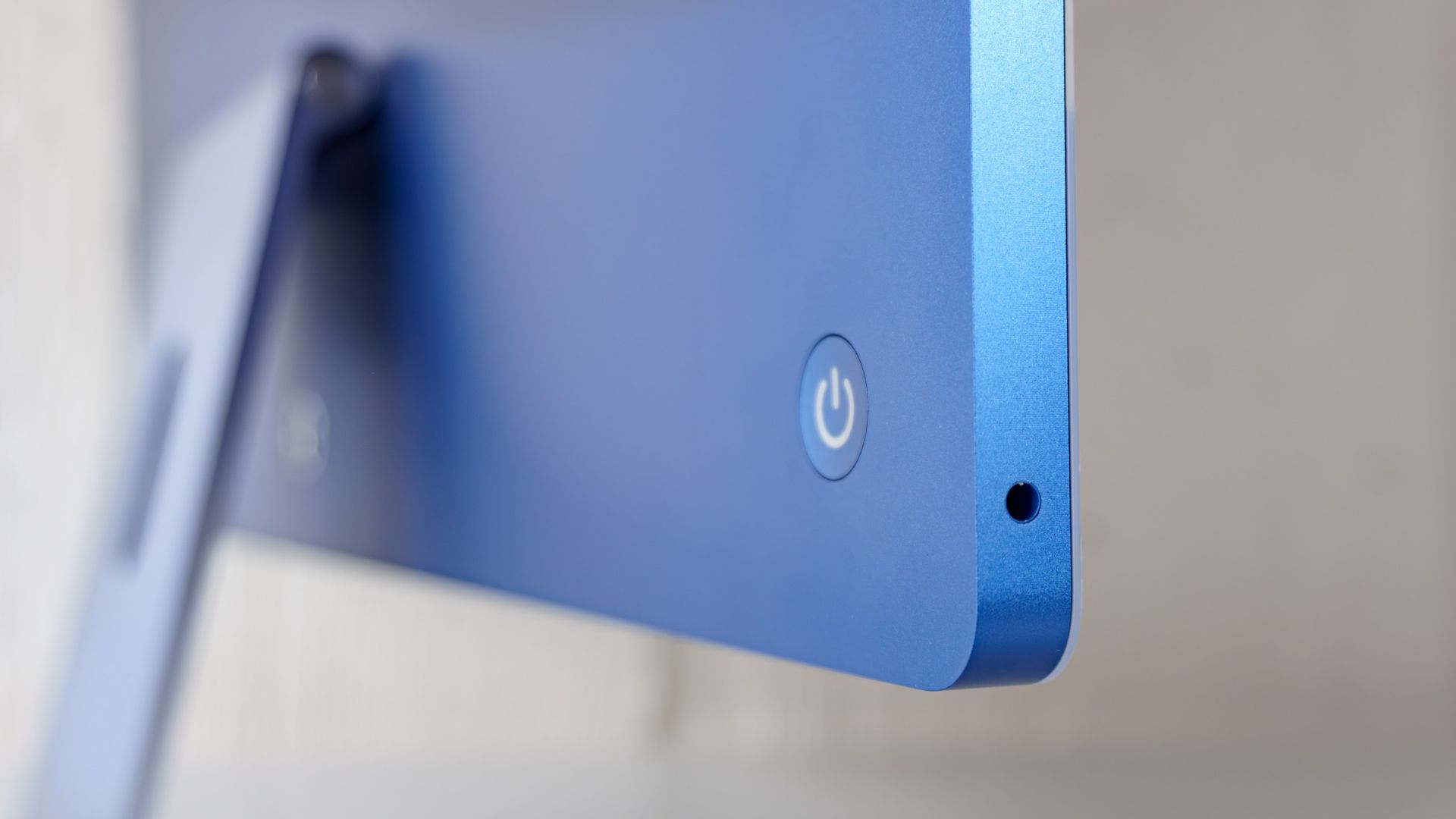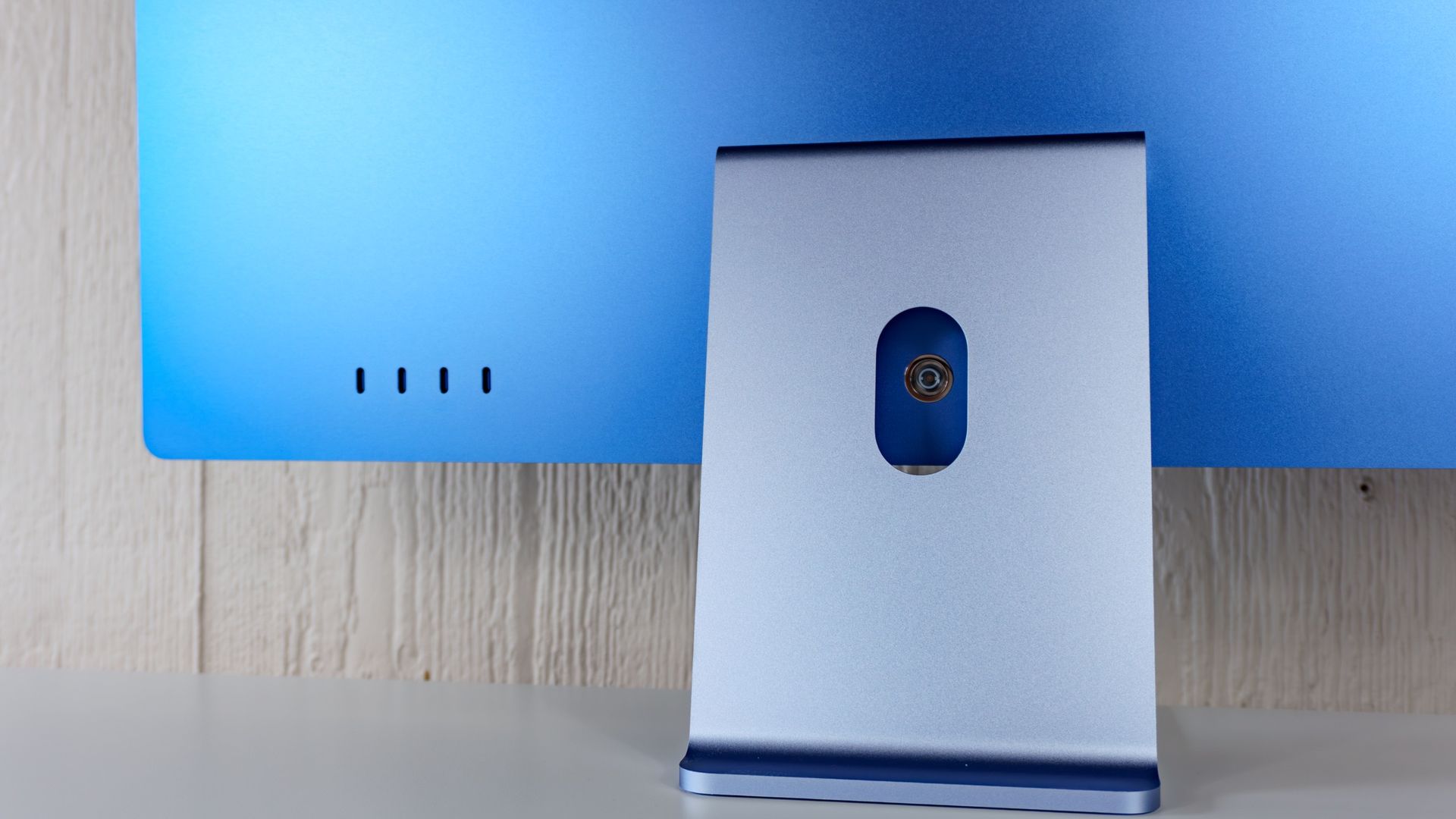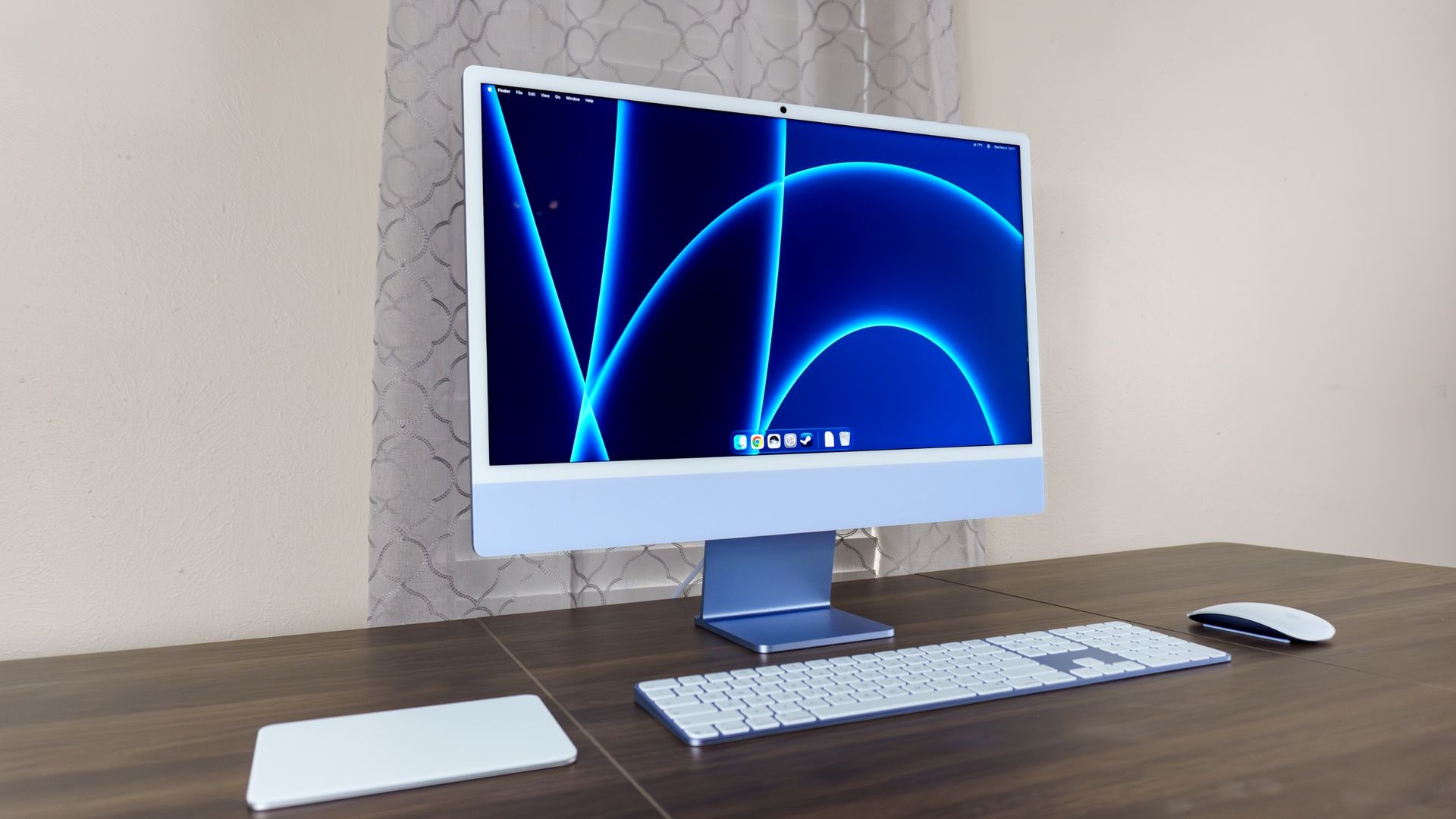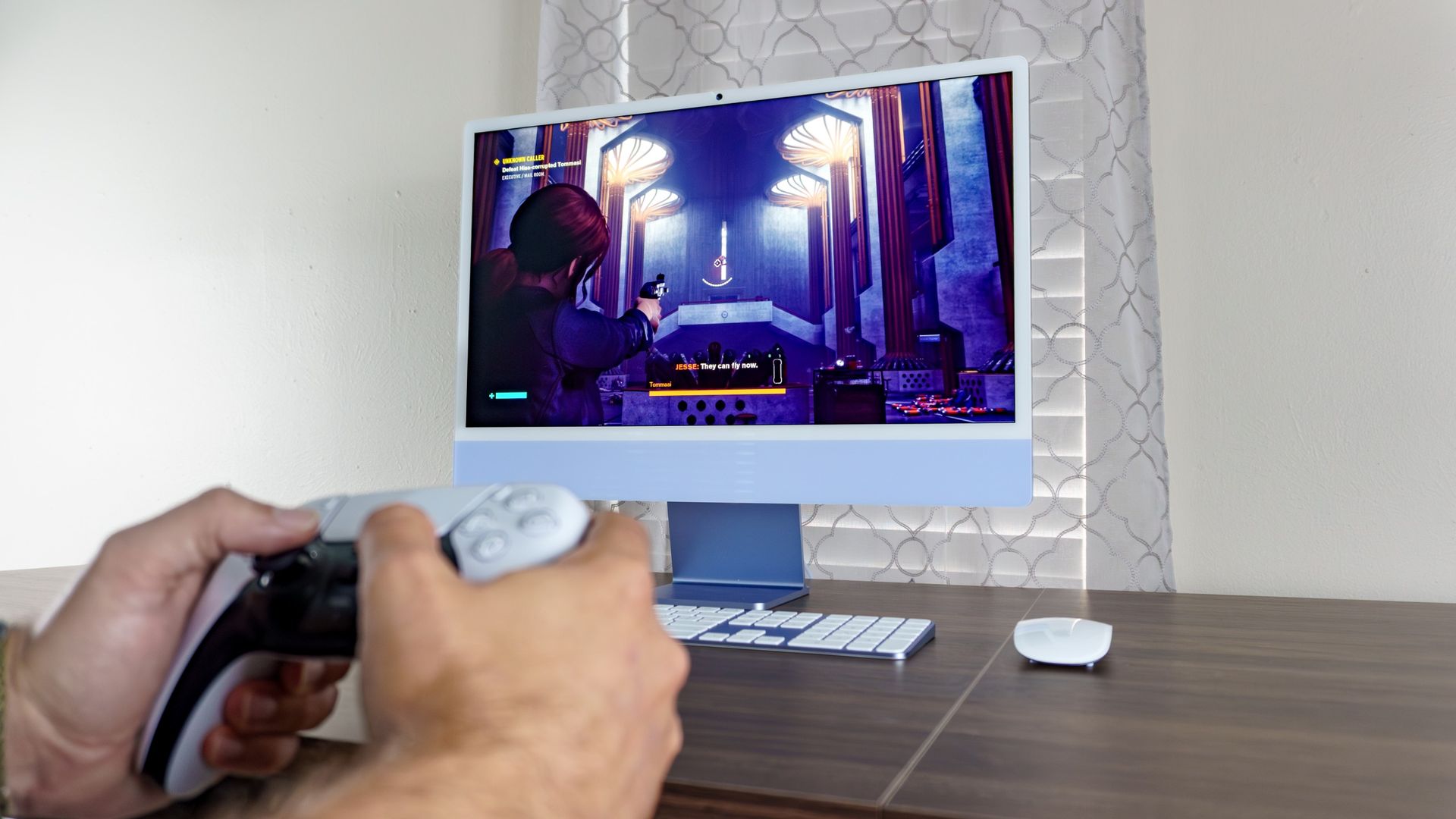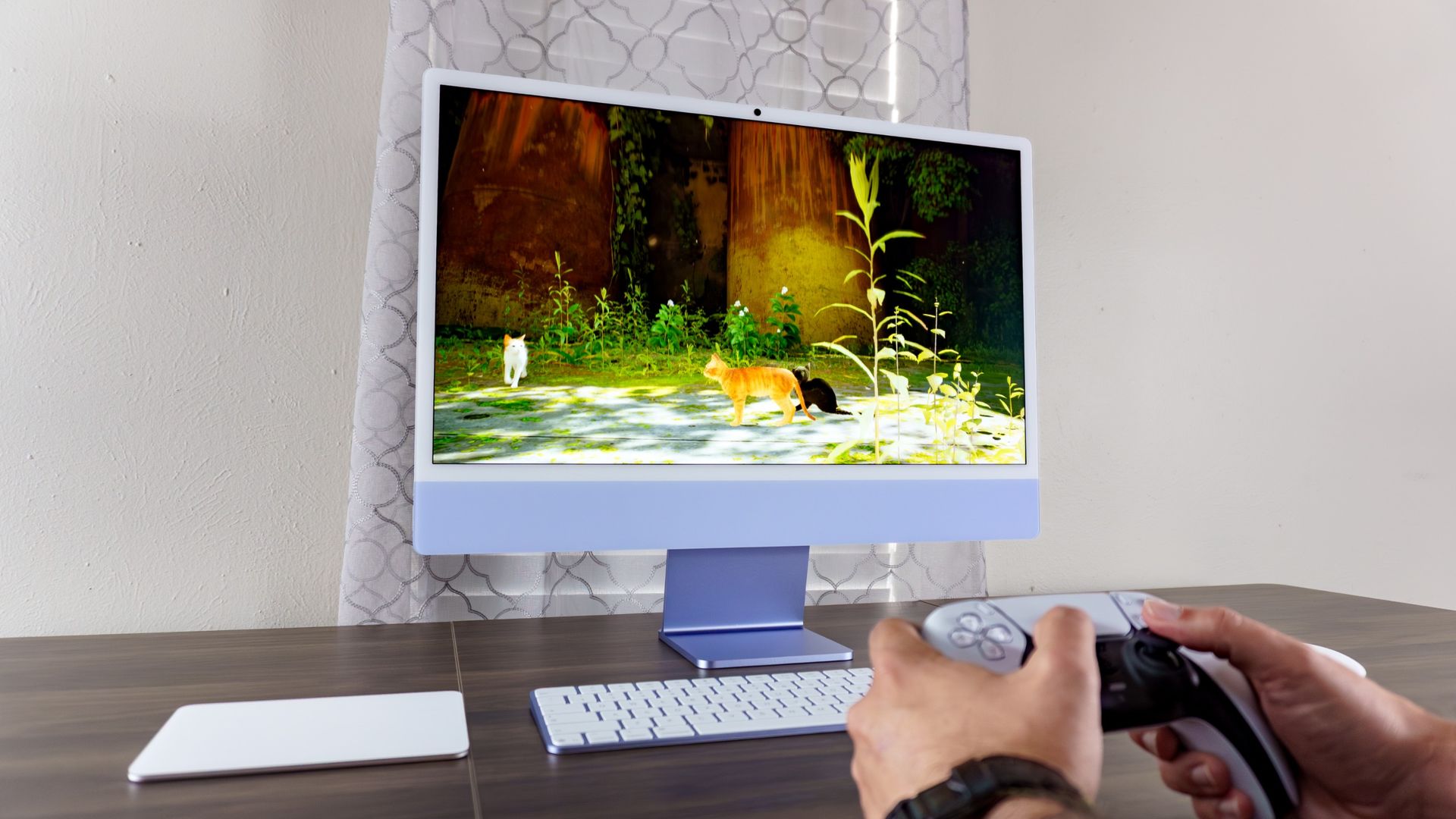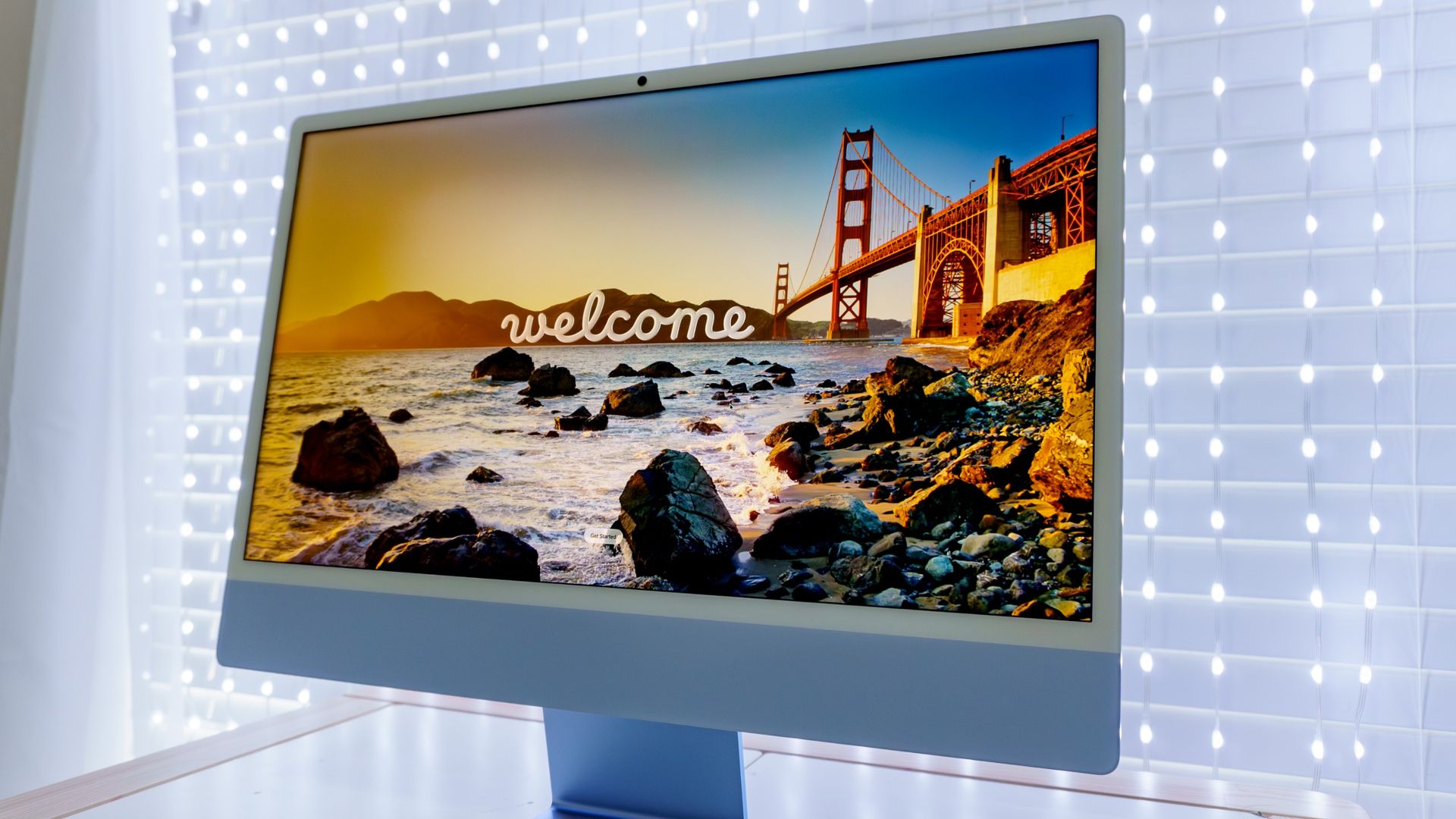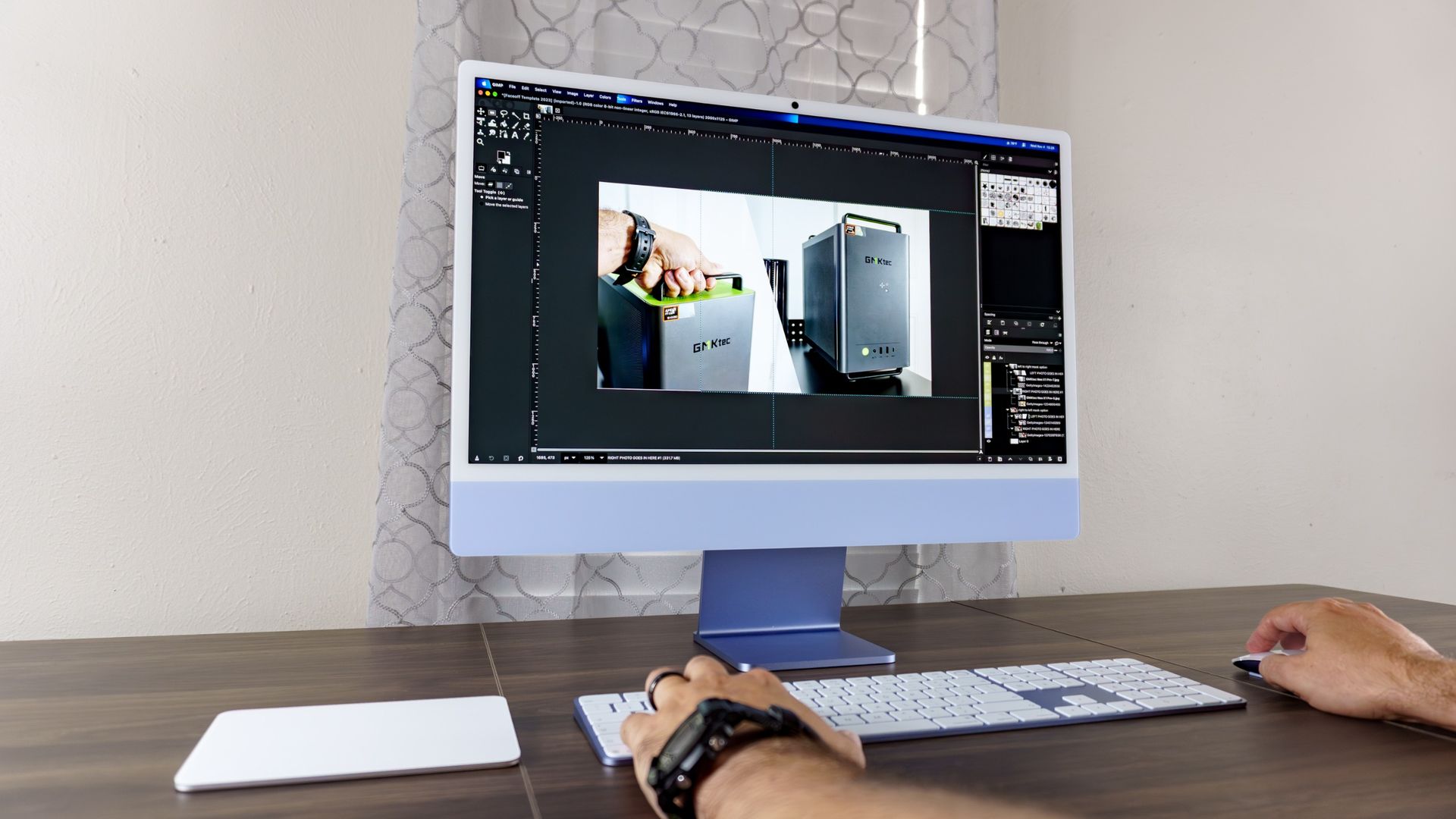


Apple has refreshed its iconic all-in-one desktop line, introducing the Apple iMac with M6 to the market. While the exterior retains the familiar 24-inch silhouette established in 2021, the real transformations are housed under the hood. Bringing significant performance gains, upgraded networking capabilities, and faster storage speeds, this new model positions itself as an enticing option for users transitioning from older systems.
Performance and Internal Upgrades

The integration of Apple’s M6 chip and the N1 wireless chip drives the core improvements of the system. Built on a 2nm process rather than the previous 3nm architecture, the M6 processor delivers substantial speed increases. Geekbench 6.7 testing reveals a single-core score of 4,553 and a multi-core score of 20,038 for the upgraded configuration, marking a major leap over the preceding generation.
Storage performance has similarly advanced. BlackMagic Disk Speed tests record read speeds of 6,594.6 MB/s and write speeds of 6,751.9 MB/s. Furthermore, a Handbrake video encoding test transcoding a 4K file down to 1080p completed in 3 minutes and 20 seconds, improving upon the 5-minute and 3-second duration recorded by the M4 model.
Networking capabilities benefit from the proprietary N1 chip, introducing Wi-Fi 7, Bluetooth 6, and native Thread support that allows the desktop to function as a Thread border router. Ethernet connectivity is available either through a built-in port on the power adapter for higher configurations or as an optional $30 add-on for the base model.
Display and Configurations
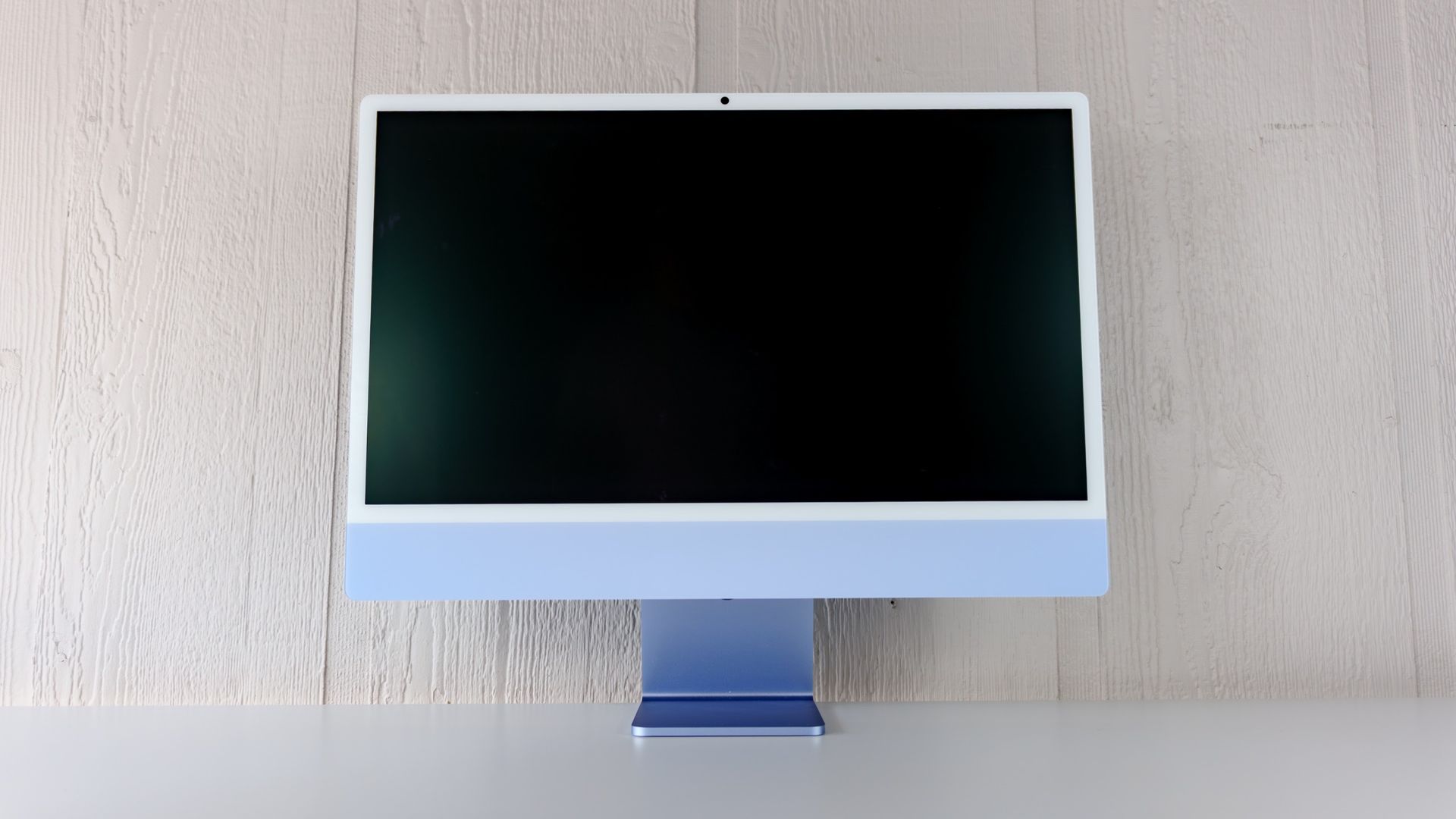
The Apple iMac with M6 continues to utilize a 24-inch 4.5K Retina display with a 12MP Center Stage webcam positioned above the screen. Display testing shows an average brightness of 473.4 nits alongside 108.7% coverage of the sRGB color gamut and 77% of the DCI-P3 color gamut. For users managing environments with heavy ambient light, Apple offers an optional nano-texture glass matte finish for an additional $200.
Pricing starts at $1,499 for the base configuration featuring a 10-core CPU and 10-core GPU, paired with 16GB of RAM and a 256GB SSD, alongside two Thunderbolt 4 ports. The faster 12-core CPU and 12-core GPU configuration begins at $1,699, including four Thunderbolt 4 ports. Additional upgrades for unified memory or storage capacity carry separate costs, while a power adapter with an Ethernet port and other accessories like Touch ID keyboards or trackpads can further adjust the final price.
Design and Ergonomics
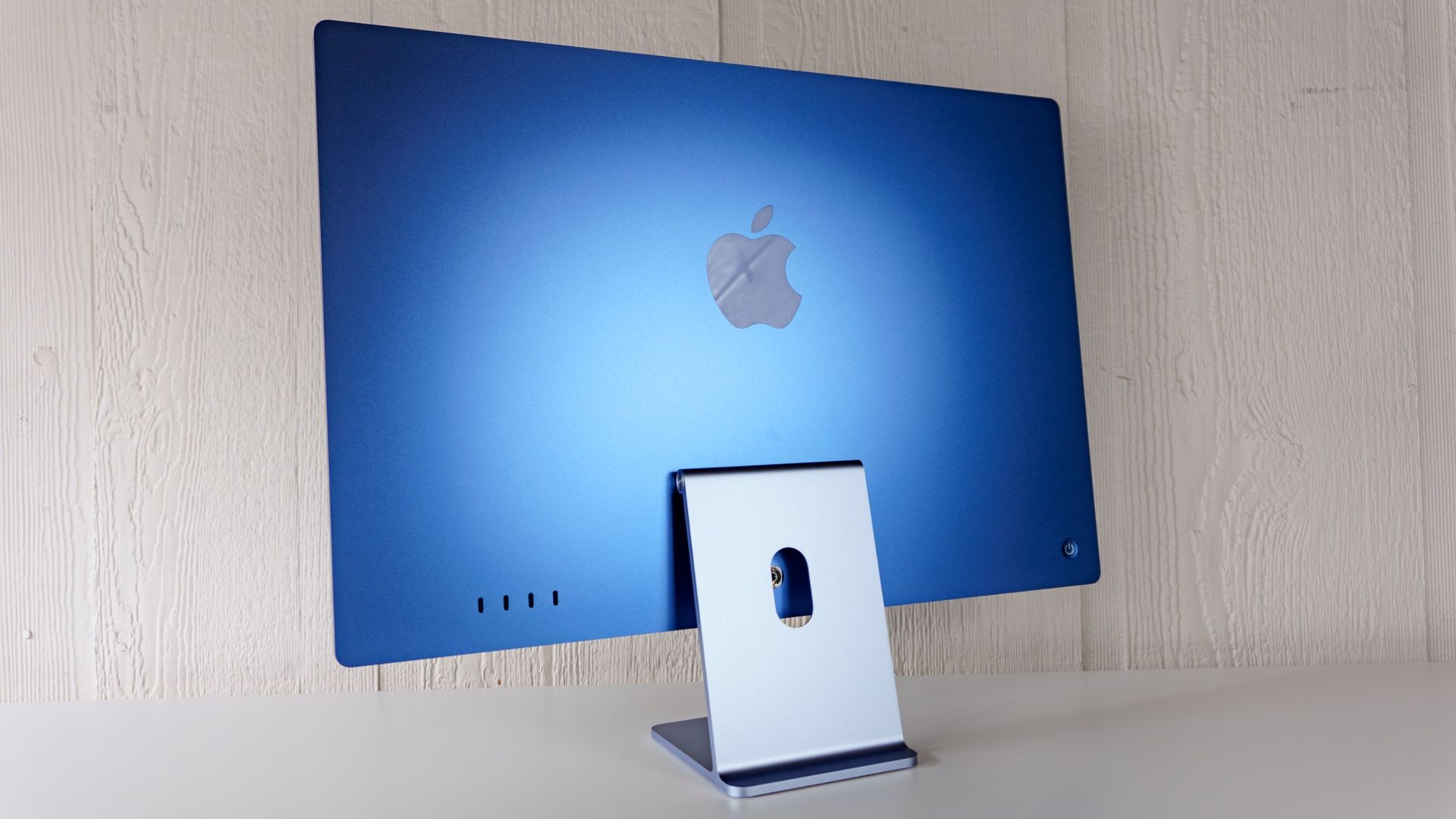
The physical dimensions remain unchanged at 21.5 x 18.1 x 5.8 inches, with weights varying slightly around 9.7 to 9.8 pounds depending on the port configuration. The setup process retains its signature simplicity, requiring only a single detachable power cable alongside a color-matched USB-C cable for pairing the included Magic Keyboard and Magic Mouse.
Reviewers note certain ergonomic limitations due to the pre-attached stand, which only permits tilting between 5 degrees forward and 25 degrees back without height adjustments. Despite this fixed height constraint and an increased starting price compared to past generations, the Apple iMac with M6 delivers a streamlined, powerful computing experience for households and creators alike.