

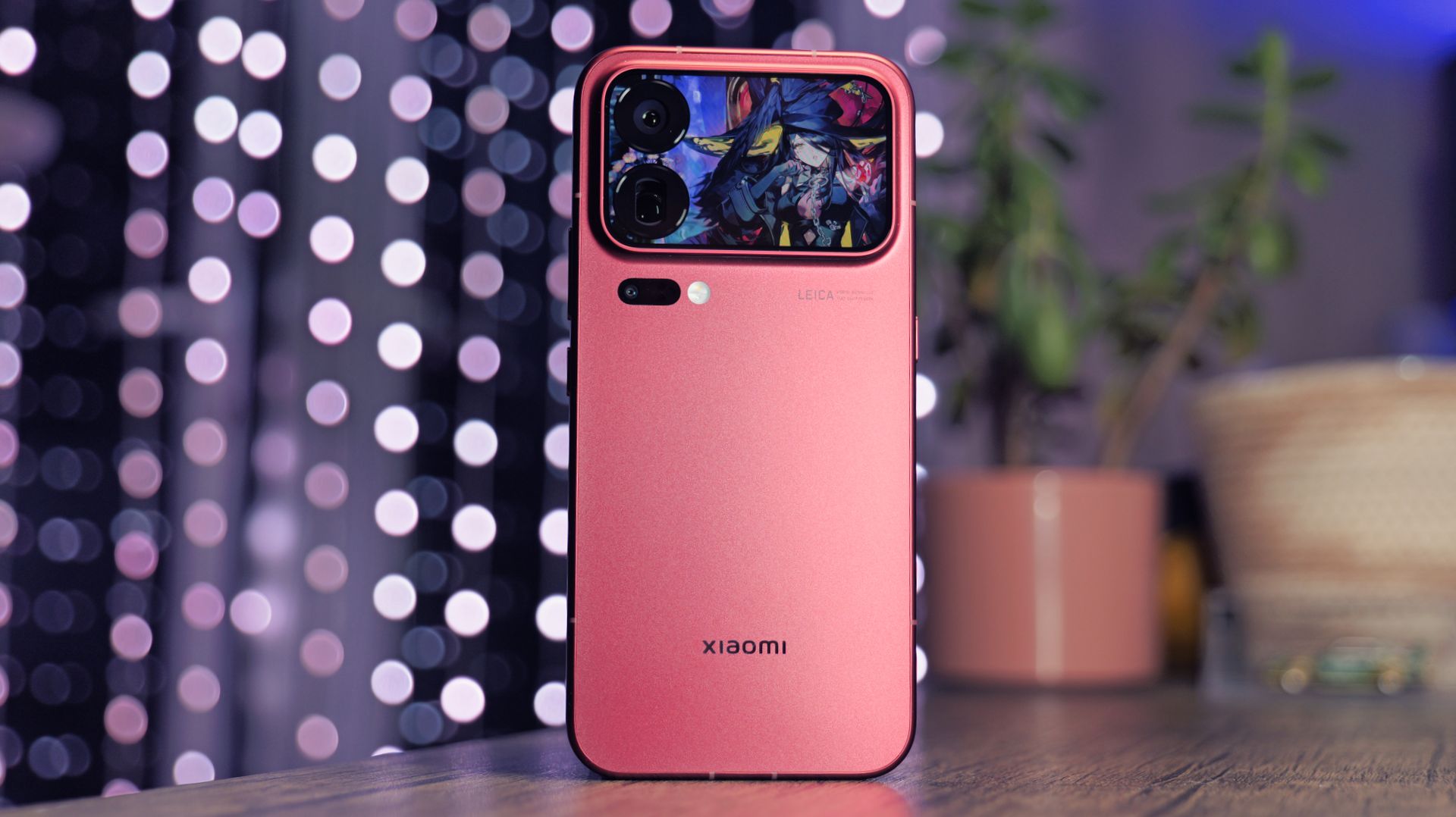
The Xiaomi 18 Pro Max has finally made its way to global markets, bringing its distinctive rear-facing screen and high-end specifications to users everywhere except the United States. Following its predecessor’s exclusive release in mainland China, this latest flagship aims to captivate vloggers and self-filming content creators with unique dual-screen functionality.
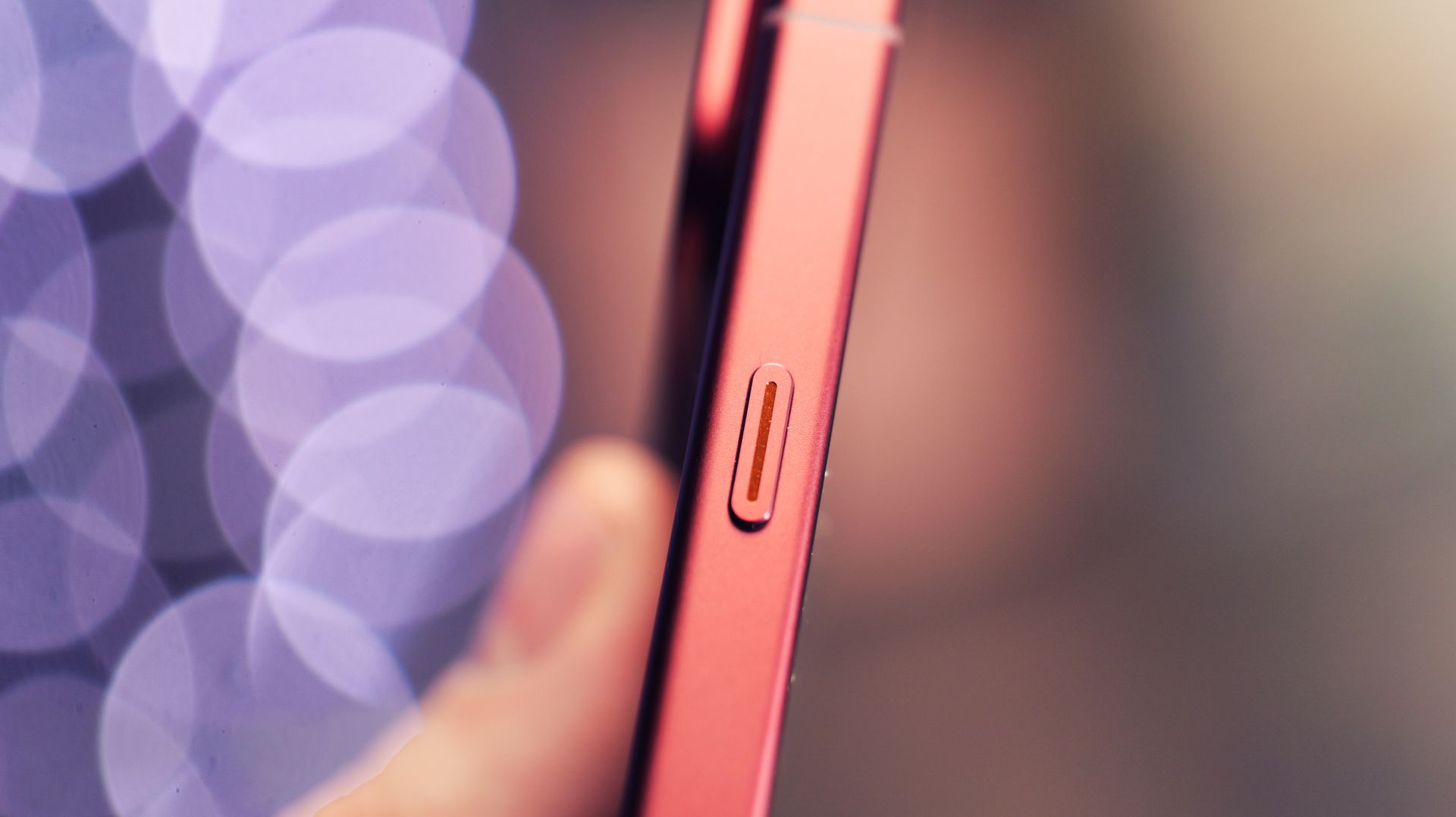
Priced at £1,399 / AU$1,999 for the 12GB RAM and 256GB storage model, and £1,599 / AU$2,299 for the 512GB version, the device sits above rival mainstream flagships like the iPhone 18 Pro Max and Samsung Galaxy S26 Ultra. Despite the steep investment, the package includes an aluminum frame, IP68 water and dust resistance, a protective TPU clear case, and factory-applied screen protectors on both displays.
Display and Design Innovations

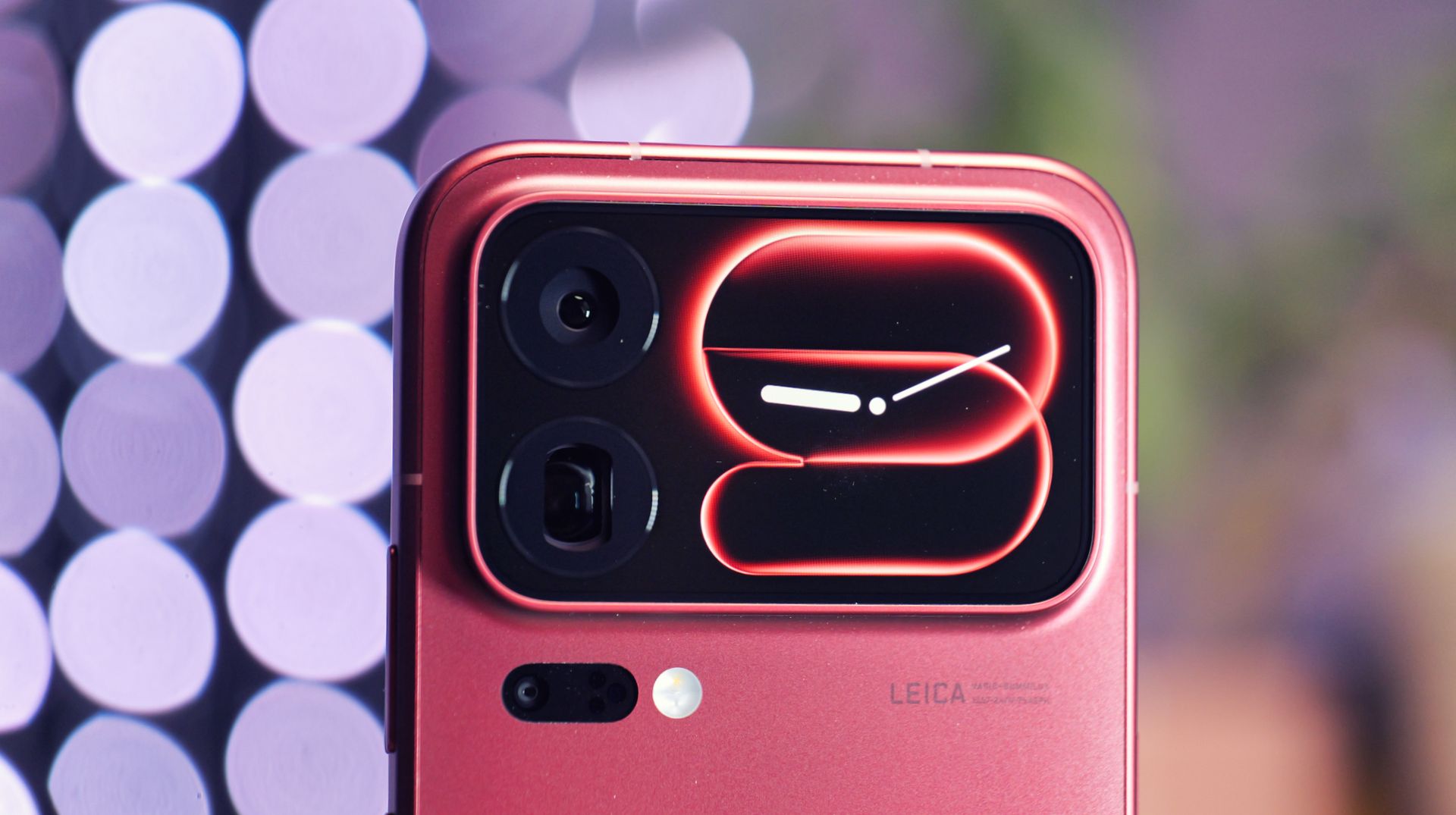
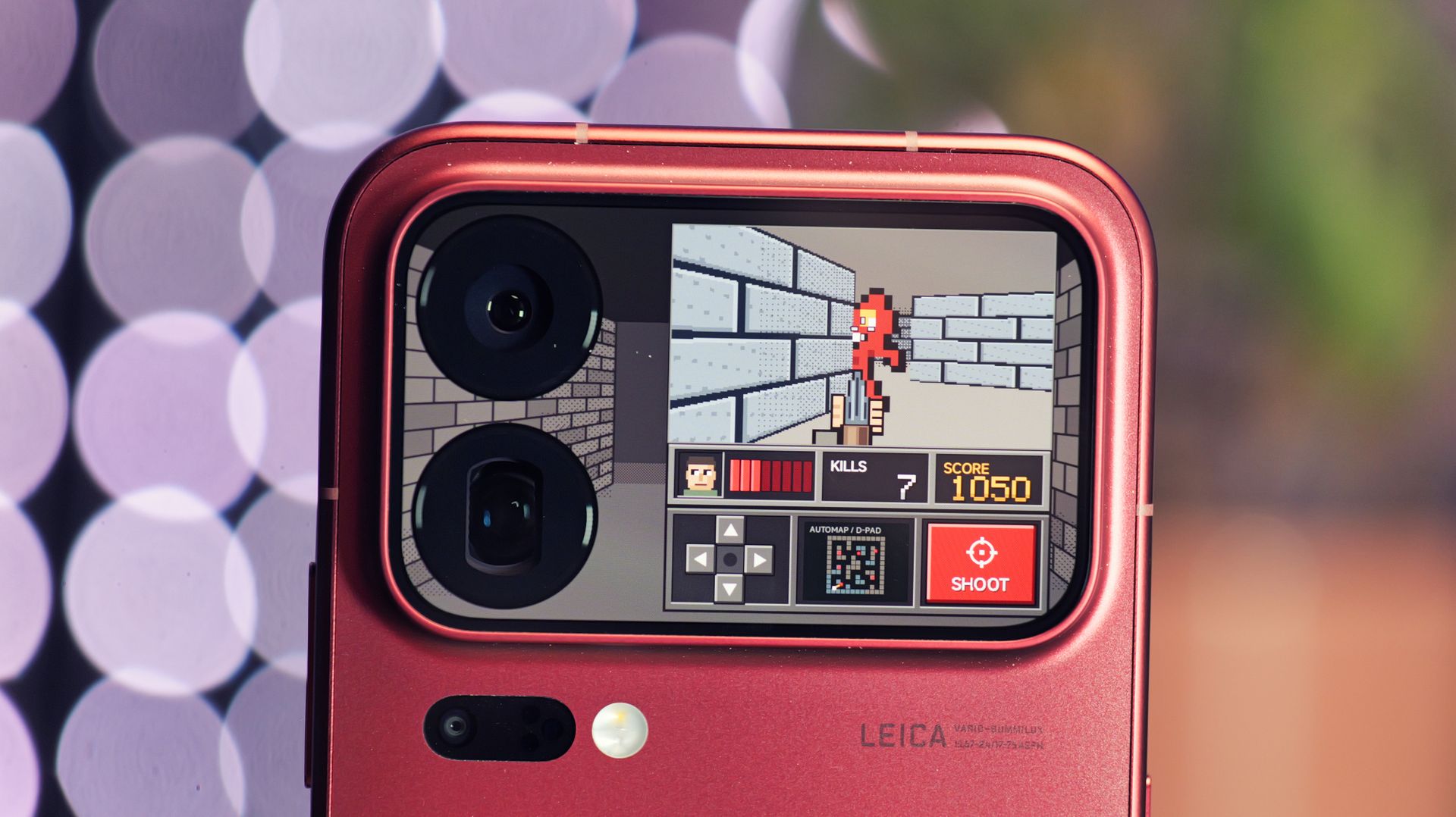
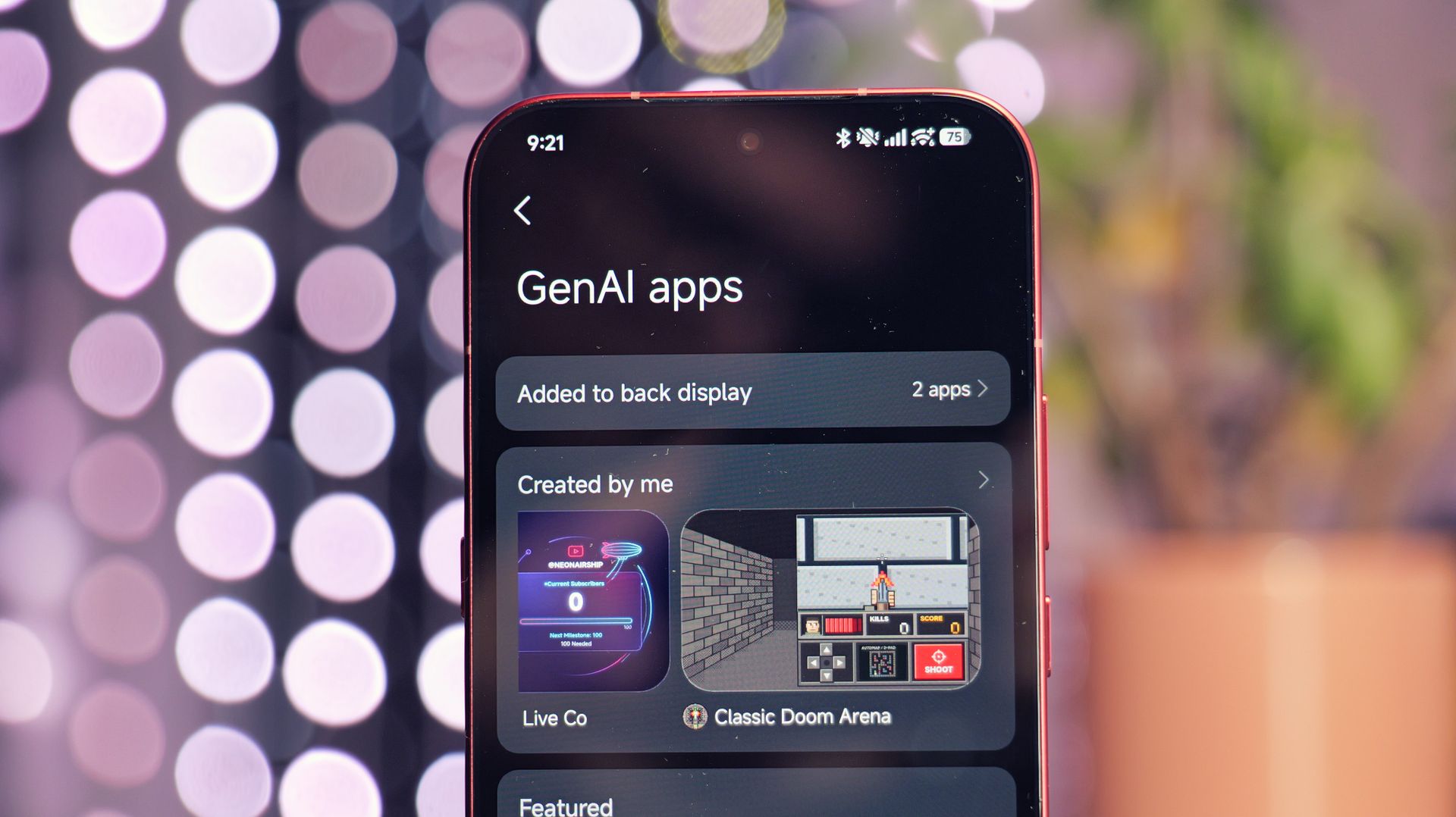
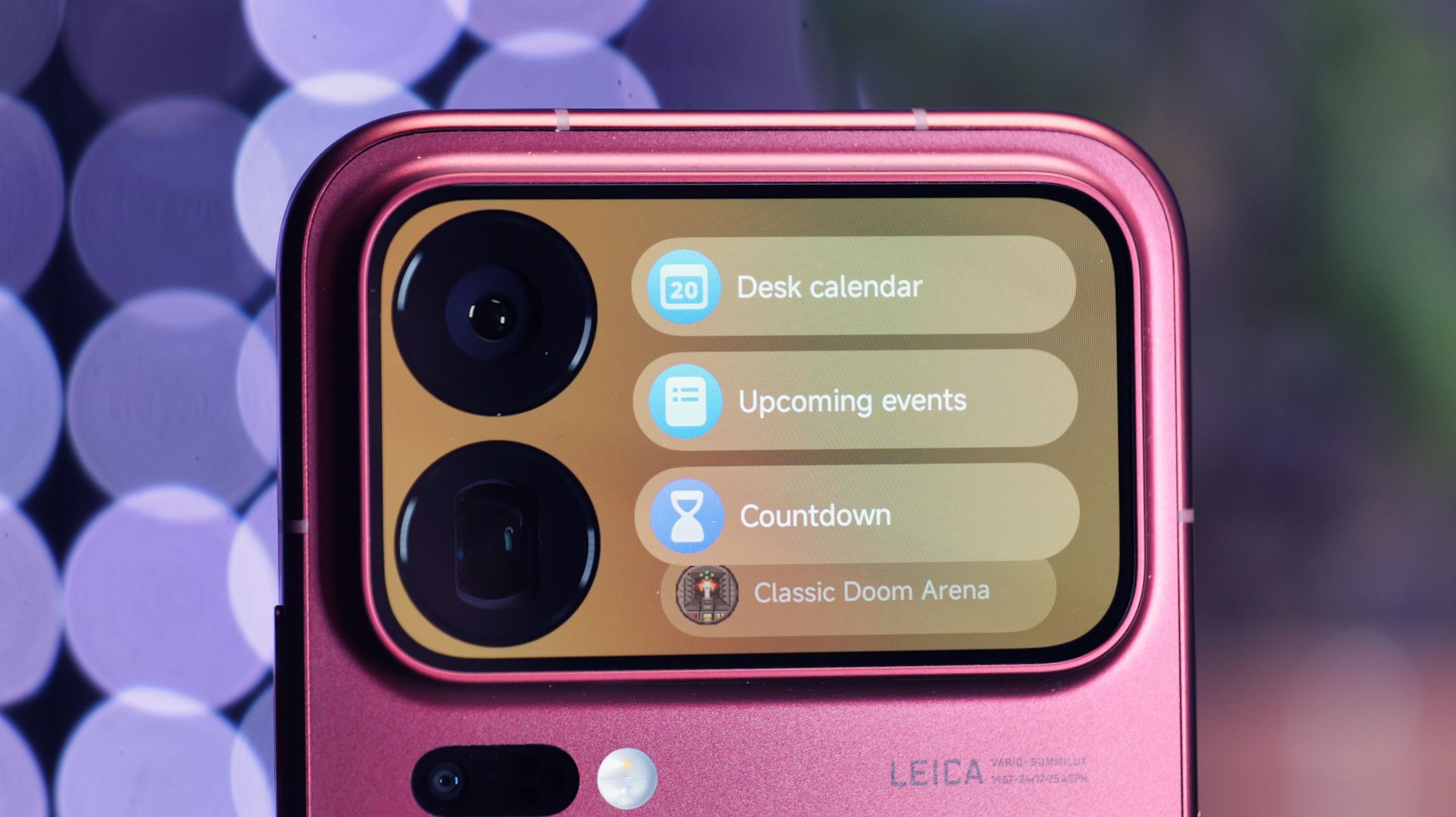
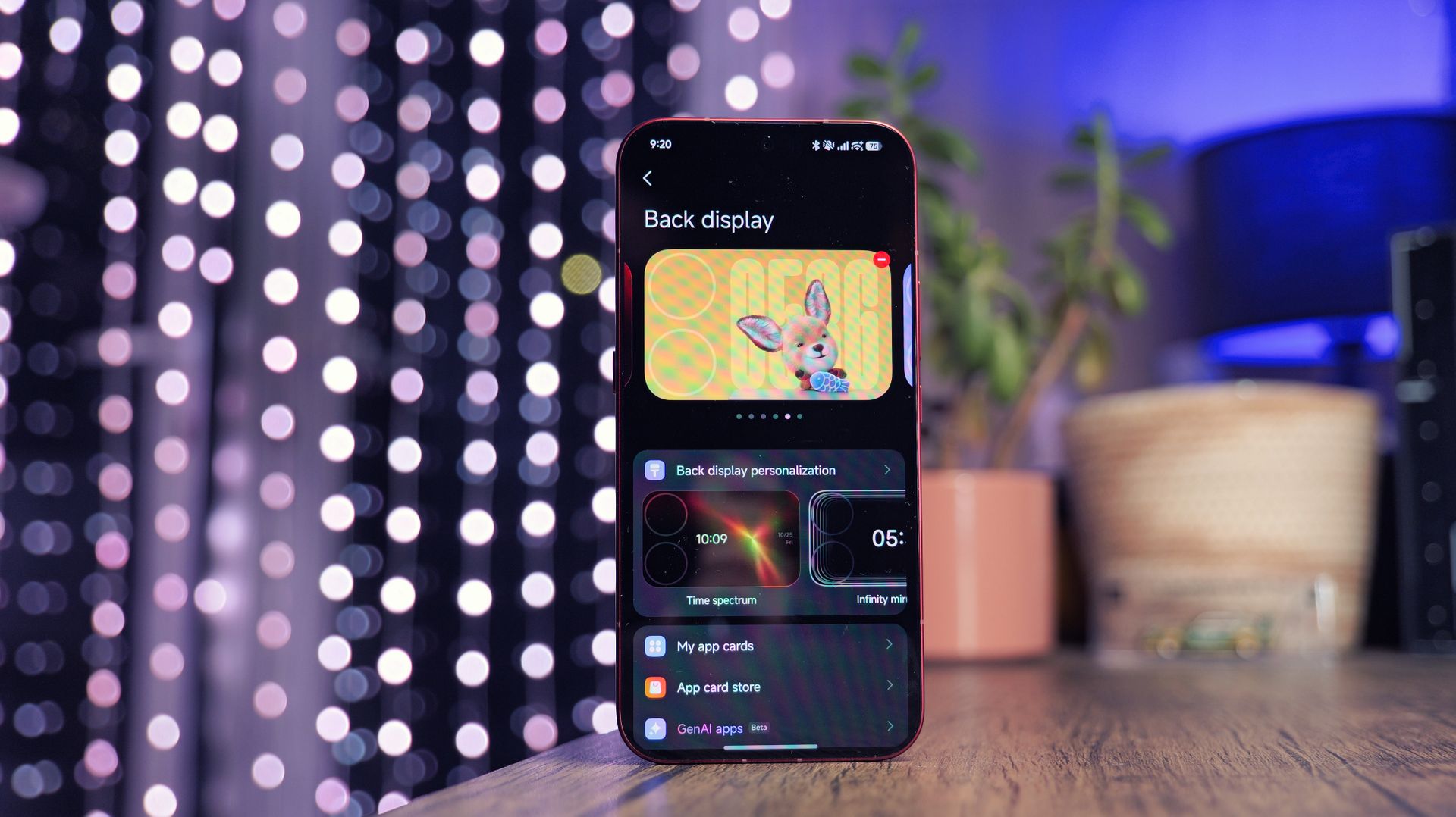
The standout design feature is the 2.9-inch OLED auxiliary screen embedded directly into the rear camera plateau. Rather than running standard applications, this secondary panel functions similarly to a smartwatch interface. Users can check the time, view calendar events, swipe to launch the camera, display animated animal mascots, or utilize a generative AI app builder to create custom mini-programs like playable games.
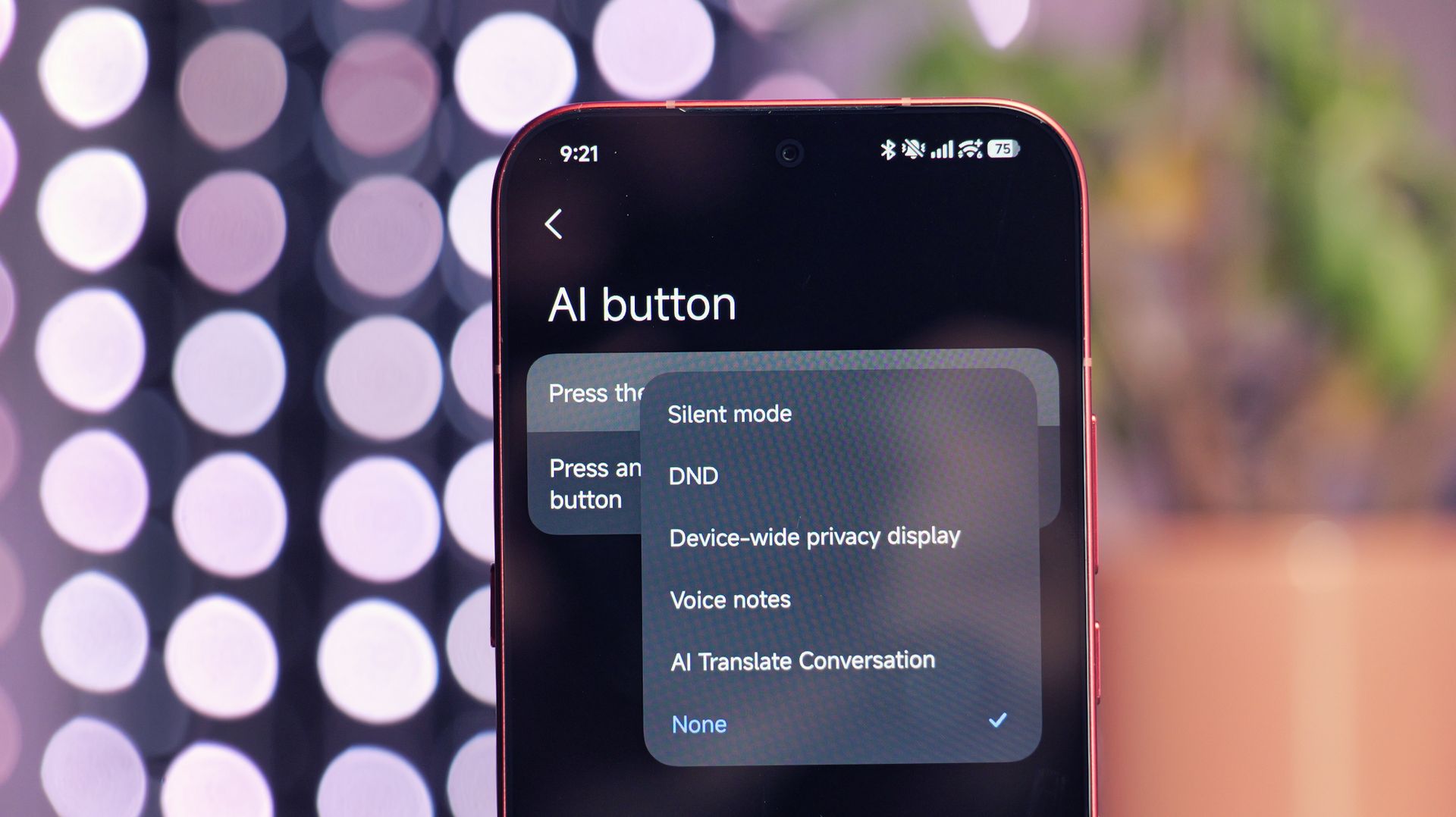
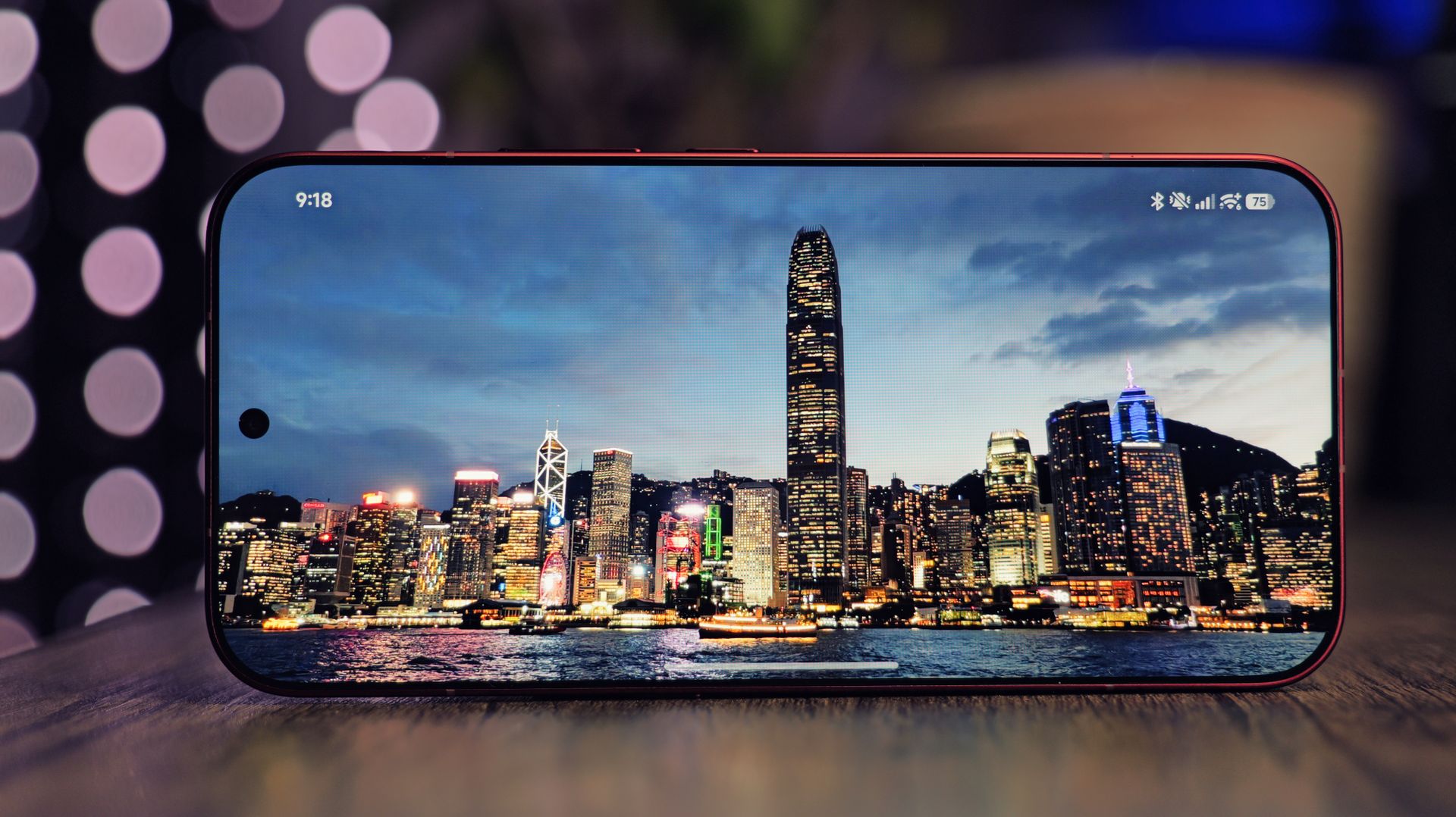
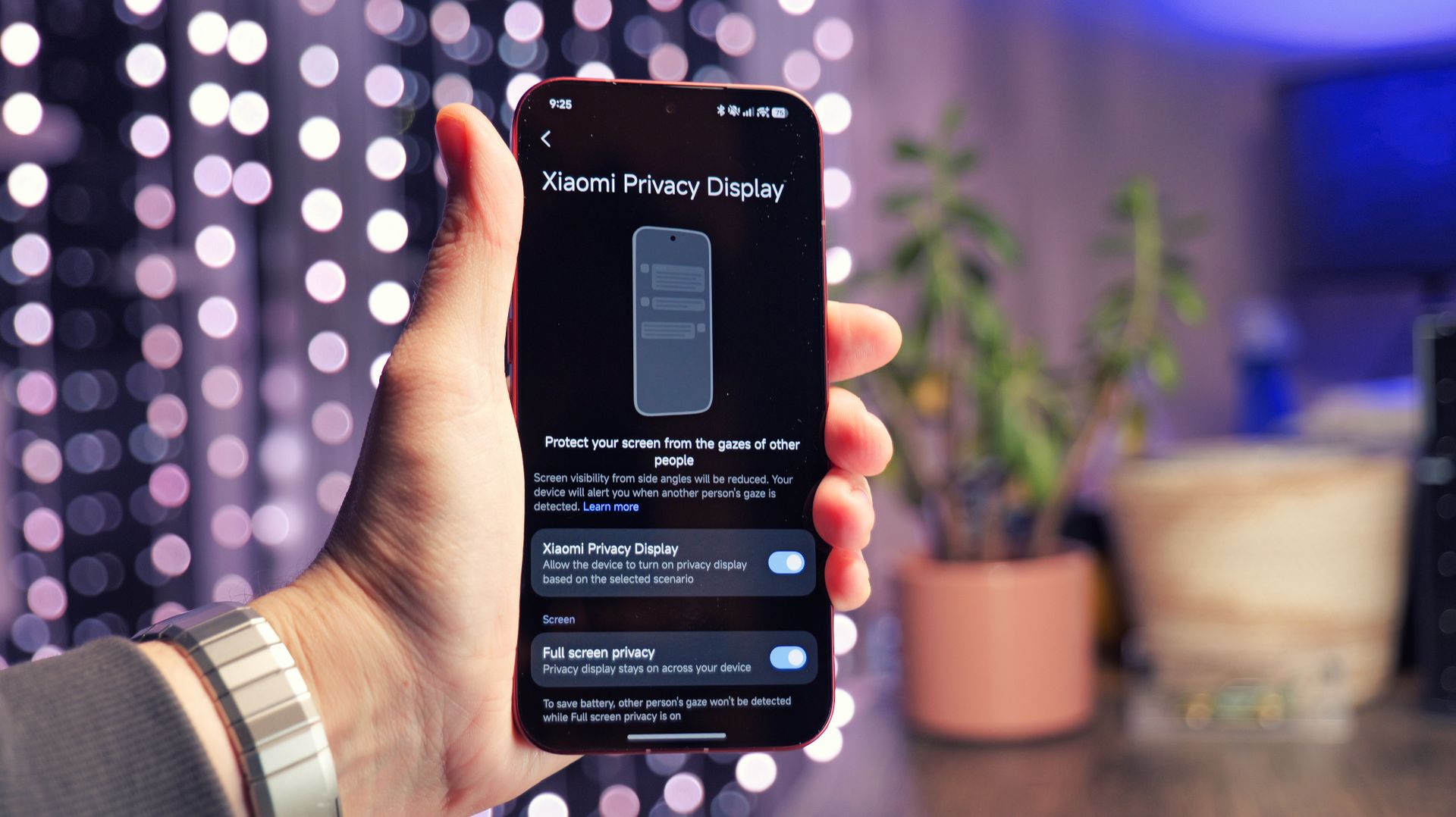
On the front, the 6.9-inch 120Hz LTPO AMOLED main screen reaches a peak brightness of 4,000 nits and features a Privacy Display mode. While this privacy function successfully restricts viewing angles from the left and right sides without heavily diminishing resolution, it lacks effectiveness when viewed from the top, bottom, or in landscape orientation.
Camera Capabilities
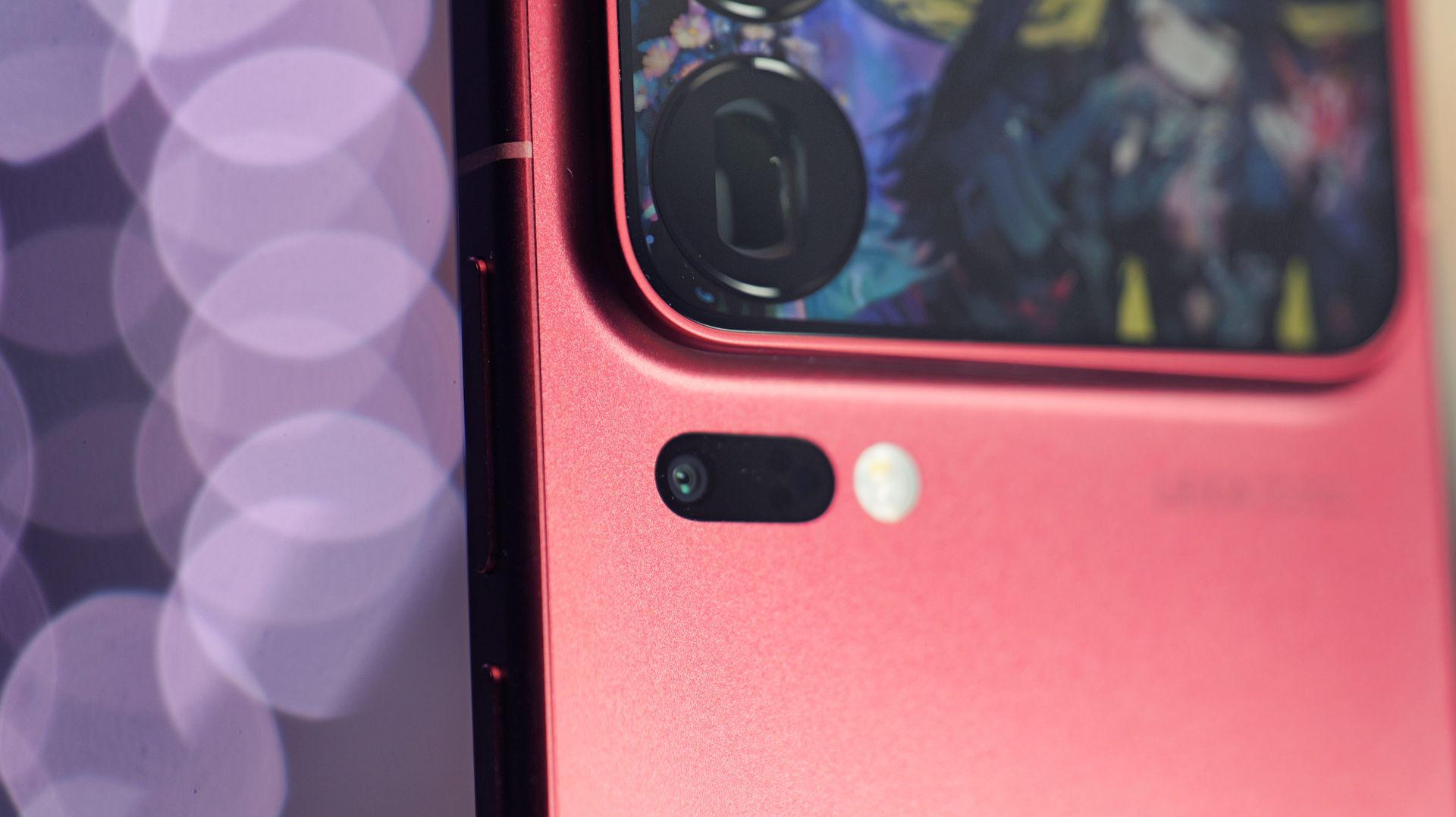
Photography hardware is heavily weighted toward the primary and telephoto lenses. Both the main sensor and the 3.2x periscope telephoto lens boast 200MP resolutions, delivering crisp clarity across lighting conditions. The telephoto lens particularly shines in macro photography, focusing as close as 10cm with a natural bokeh effect. Leica-developed processing adds various film simulations, including an Essential Moment mode powered by an on-device AI model for naturalistic daylight shots.
Conversely, the 50MP ultra-wide lens features a 17mm equivalent focal length and a smaller sensor, making it less effective in dark environments. For video, the main and telephoto cameras support up to 8K at 30fps or 4K at 120fps alongside a robust Log profile.
Performance and Software
Equipped with Qualcomm’s Snapdragon 8 Elite Extreme Gen 6 chip and a redesigned vapor chamber cooling system, the device handles demanding mobile games and heavy multitasking seamlessly. Audio output benefits from a triple speaker system that incorporates a dedicated subwoofer for enhanced low-end bass.
The phone operates on HyperOS 4, built on Android 17. While the software offers extensive visual customization and fluid navigation, it retains minor drawbacks such as pre-installed bloatware and advertisements embedded within the theme and wallpaper applications.
Battery Life and Charging
Global shipping regulations limit the international variant to a 7,050mAh battery, falling short of the capacity found in the domestic Chinese model. Even so, the hardware easily clears a day and a half of typical usage. Charging speeds reach up to 100W via a wired connection and 50W wirelessly, with full compatibility across various third-party power banks.